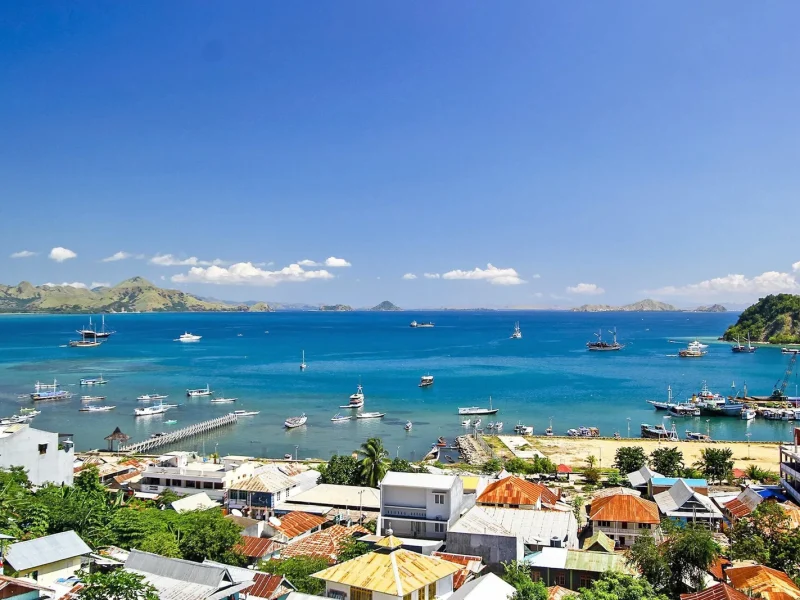
Eco-Friendly Halal Tourism in Bali: Sustainable Travel for 2027

Halal eco tourism Bali focuses on responsible travel for Muslim visitors, ensuring cultural sensitivity, environmental protection, and economic benefits for local communities. This approach integrates halal-certified services with sustainable practices, vital for 2027 travel planning.
Eco-Friendly Halal Tourism Bali: A Sustainable Vision for 2027
As we approach 2027, the focus on sustainable travel becomes increasingly crucial, even within niche markets like halal tourism. Bali, with its stunning landscapes and welcoming atmosphere, is perfectly positioned to offer eco-friendly experiences that align with Islamic principles of responsible stewardship. Muslim travellers are increasingly seeking options that not only cater to their dietary and prayer needs but also minimise their environmental footprint and support local communities. This commitment to sustainability is shaping the future of halal travel in Bali.
Understanding Eco-Friendly Halal Tourism
Eco-friendly halal tourism for 2027 involves a comprehensive approach. It means selecting accommodations that practise waste reduction and water conservation, choosing tour operators committed to preserving natural sites, and supporting local businesses that employ fair labour practices. For Muslim visitors, this extends to ensuring that all aspects of their trip, from halal food tours in Ubud for Muslim families 2027 to private halal tour guide Bali for Hajj families, adhere to ethical and sustainable standards. This vision aims to provide enriching experiences while safeguarding Bali’s natural and cultural heritage for generations to come.
Key Pillars of Sustainable Halal Travel in Bali
- Responsible Accommodation Choices: Opting for hotels or a Muslim friendly villa with prayer room in Canggu that have verifiable eco-certifications, employ local staff, and use renewable energy sources.
- Ethical Tour Operators: Engaging with providers for a Muslim friendly waterfall tour Bali Sekumpul halal lunch that prioritise small group sizes, avoid overcrowded areas, and educate visitors on local customs and environmental respect.
- Supporting Local Economies: Choosing to dine at best halal restaurants in Seminyak for first time visitors that source ingredients locally and support traditional Balinese crafts, ensuring economic benefits remain within the community.
- Waste Reduction and Conservation: Actively participating in efforts to reduce plastic waste, conserve water, and respect wildlife during a halal Bali nature tour.
- Cultural Immersion: Engaging respectfully with local Balinese culture, understanding their traditions, and seeking experiences that promote cross-cultural understanding.
Halal Food and Sustainable Practices in 2027
The culinary aspect is central to halal tourism. For 2027, the emphasis will be on finding where to find halal food in Jimbaran Beach 2027 that is not only permissible but also sustainably sourced. This includes restaurants participating in a halal food tour including cow and goat meat options that prioritises local farms and reduces food waste. The demand for halal certified beach club Bali 2027 guide is likely to highlight establishments with strong environmental policies. Even a cake Bali halal certification tour for Muslim travellers will increasingly consider the origins of ingredients and the waste management practices of bakeries.
Planning Your Eco-Friendly Halal Bali Nature Tour for 2027
Planning a sustainable trip requires research and conscious choices. When considering Muslim friendly Indonesia Bali tours, look for packages that explicitly mention eco-friendly practices. For transportation, using services like a private halal driver in Bali who is knowledgeable about sustainable routes and local, ethical establishments can significantly enhance your experience. Consider the best time to visit Bali for Muslims avoiding rain season to minimise environmental impact and enjoy the island responsibly. Muslim friendly honeymoon packages Bali with halal dining will also evolve to include more eco-conscious options, from accommodation to activities.
Remote Work and Sustainable Living in Bali
The rise of remote work has opened new avenues for longer, more sustainable stays. A remote work Bali halal coworking space with prayer area exemplifies this trend for 2027. These spaces cater to the specific needs of Muslim professionals while promoting a community-focused, environmentally aware lifestyle. Such initiatives encourage visitors to integrate more deeply with local life, reducing the footprint associated with shorter, more transient tourism.
2027 Note: The landscape of travel is continuously evolving. As we move into 2027, the integration of technology for sustainable travel, such as apps for identifying eco-friendly halal establishments or carbon offsetting calculators for flights, will become more prevalent. Staying informed about these advancements will be key to planning truly sustainable halal Bali adventures.
FAQ
How can I ensure my halal Bali trip contributes to sustainable tourism practices in 2027?
To ensure your halal Bali trip contributes to sustainable tourism in 2027, select accommodations with eco-certifications, choose tour operators committed to environmental protection and local community support, patronise local businesses that use sustainable practices and fair labour, minimise your waste by using reusable items, and respectfully engage with Balinese culture and traditions.
What are some examples of eco-friendly halal activities available in Bali for 2027?
For 2027, eco-friendly halal activities in Bali include guided halal Bali nature tours focusing on conservation areas, visiting local farms that supply halal ingredients, participating in beach clean-ups, using electric vehicle tours with a private halal guide, and engaging in cultural workshops that support local artisans and preserve traditional skills.
How can I find halal-certified establishments in Bali that also adhere to sustainable standards?
To find sustainable halal-certified establishments in Bali for 2027, look for hotels and restaurants displaying both halal certification and recognised eco-labels (e.g., Green Globe, EarthCheck). Consult updated Muslim-friendly travel guides that highlight sustainable options, check reviews that mention environmental practices, and directly inquire with establishments about their sustainability initiatives before booking.