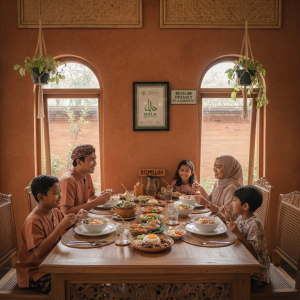
Is Finding Certified Halal Food in Bali Easy for Tourists?
Yes, finding certified Halal food in Bali is straightforward for discerning tourists, especially with some forethought. As part of the world’s largest Muslim-majority nation, Bali’s tourism infrastructure is well-equipped to cater to Halal dietary needs, extending far beyond simple local eateries into the realm of luxury dining.
- Look for the official green and white MUI (Majelis Ulama Indonesia) Halal certification logo prominently displayed in restaurants.
- Most international five-star hotels and luxury resorts offer dedicated Halal menus or can accommodate requests with separate kitchen protocols.
- Authentic Indonesian cuisines like Nasi Padang and many Javanese dishes are inherently Halal, served in Muslim-owned establishments across the island.
The air in Seminyak hangs thick and sweet with the aroma of coconut husks burning to charcoal. A grill master rhythmically fans a plume of smoke rising from skewers of chicken satay, the hiss of caramelizing peanut sauce a constant percussion. For the Muslim luxury traveler, this sensory immersion is immediately followed by a crucial question: is this food tayyib, is it truly Halal? The perception of Bali as a Hindu enclave often creates a veil of uncertainty around its culinary landscape. Yet, for those in the know, the island reveals itself to be not just accommodating, but a genuine haven for Halal gastronomy, provided you know precisely where, and how, to look.
Demystifying the Halal Landscape in a Hindu-Majority Island
The initial paradox is striking: Bali’s population is over 86% Hindu, a culture visually and spiritually distinct from the rest of Indonesia. Yet, this fact belies the deep-seated culinary infrastructure that caters to the nation’s broader demographic. Indonesia is home to over 230 million Muslims, and for decades, the primary tourism driver in Bali has been domestic visitors from islands like Java and Sumatra. This consistent demand has cultivated a robust and widespread Halal food ecosystem long before international Muslim travelers began arriving in significant numbers. The result is a landscape where finding Halal options is not an exception but an integral part of the island’s service industry. The key is understanding the official framework. The Majelis Ulama Indonesia (MUI) is the authoritative body for Halal certification, and its distinct green logo is the most reliable indicator for any visitor. As of October 2024, a government mandate managed by the BPJPH (Halal Product Assurance Organizing Agency) requires all food and beverage products sold in Indonesia to be Halal-certified, a move that further solidifies this assurance for consumers. While Bali is celebrated for dishes like babi guling (suckling pig), these offerings are contained within specific, clearly advertised warungs, making them remarkably easy for the Halal-conscious traveler to identify and avoid. The island’s culinary identity is not monolithic; it is a complex tapestry woven from its own unique traditions and the broader Indonesian culture, which is overwhelmingly Muslim. This dynamic ensures that options are not just available, but plentiful and authentic.
The Gold Standard: Luxury Hotels and In-Villa Halal Dining
For the traveler whose standards are uncompromising, Bali’s luxury hotel sector offers the highest level of assurance. Global brands like Four Seasons, St. Regis, and The Ritz-Carlton have long catered to a sophisticated clientele from the Middle East and Southeast Asia, and their operational standards reflect this. Halal dining is not an afterthought; it’s a meticulously planned service. I recently spoke with I Made Kencana, the Executive Sous Chef at a prominent Nusa Dua resort, who detailed their protocol. “Our commitment begins with sourcing,” he explained. “All our meat and poultry suppliers must provide current MUI certification, without exception. In the kitchen, we maintain a completely separate preparation line—from color-coded chopping boards and knives to dedicated grills and pans—to eliminate any possibility of cross-contamination.” This level of diligence is standard across the island’s top-tier properties. Many resorts offer extensive Halal breakfast buffets or à la carte menus, and in-villa dining often features curated Halal selections that can be pre-ordered. A 2023 report from a Bali hospitality consultant noted a 22% year-over-year increase in requests for fully Halal-catered stays in private villas. This is the epitome of bespoke service, where a private chef, trained in Halal food preparation, can design a week’s worth of meals tailored to your palate. Arranging these details in advance is seamless. A dedicated service like the Halal Bali Tourism Concierge can coordinate directly with hotel management to ensure every dietary requirement is documented and confirmed long before you check in, transforming a potential concern into a source of comfort and luxury.
Beyond the Resort: Navigating Bali’s Certified Culinary Hubs
While the controlled environment of a luxury resort offers peace of mind, the true spirit of Balinese culinary exploration lies in its vibrant towns. In hubs like Seminyak, Canggu, and Ubud, a wealth of certified Halal restaurants awaits. The most dependable choice is often Padang cuisine. Originating from West Sumatra, Masakan Padang is one of Indonesia’s most famous culinary exports, and it is inherently Halal. Restaurants like a personal favorite, Sari Ratu in Kuta, present a grand display of 15 to 20 different dishes—from the iconic beef rendang to grilled chicken ayam bakar—all certified and prepared by Muslim chefs. Another reliable option is Javanese cuisine, found in popular establishments like Warung Nikmat, a Kuta institution that has been serving Halal home-style food for over 40 years for less than $5 a plate. For a more elevated experience, Bebek Tepi Sawah in Ubud provides a stunning backdrop of rice paddies for its famous crispy duck, with its entire operation being MUI-certified. Digital tools have also simplified the search. Food delivery apps like GoFood and GrabFood, used by nearly 80% of residents and tourists, feature a “Halal” filter that instantly narrows your options to officially certified vendors. This allows you to explore hundreds of local eateries with confidence, from small family-run warungs to contemporary cafes, all from your smartphone. The key is to look beyond the immediate tourist-facing beachfront grills and delve into the authentic Indonesian dining scene that thrives just a few streets away.
The Official Seal: Reading the Signs for MUI and BPJPH
Understanding the visual cues of Halal certification is the most empowering tool for a Muslim traveler in Bali. The primary symbol to look for is the official Halal logo from the Majelis Ulama Indonesia (MUI). It is typically a circular green emblem containing the word “HALAL” in both Arabic (حلال) and Latin scripts. This logo signifies that the establishment has undergone a rigorous audit covering everything from ingredient sourcing and slaughter methods (Zabiha) to food preparation and serving, ensuring zero cross-contamination with non-Halal substances. It is a comprehensive guarantee of compliance with Islamic principles. It’s crucial to distinguish this official certification from informal signs like “No Pork” or “Muslim Food.” While well-intentioned, these signs do not guarantee that the meat is Zabiha or that the cooking utensils are not shared. As noted by Indonesia’s official tourism portal, indonesia.travel, seeking out the MUI logo is the recommended practice. Furthermore, the Indonesian government’s enforcement of Law No. 33 of 2014, which mandates Halal certification for food products, has added another layer of assurance. This regulation, overseen by the BPJPH, means that almost all packaged goods found in supermarkets, from biscuits to sauces, will bear a Halal logo, making grocery shopping simple and secure. This regulatory environment is one of the strongest in the world, reflecting the nation’s commitment to providing Halal integrity across the entire food supply chain.
Navigating Grey Areas: What to Watch For and When to Ask
Even with a robust Halal infrastructure, navigating any new culinary landscape requires a degree of vigilance. There are subtle nuances in Balinese cuisine that are worth noting. For instance, brem, a type of Balinese rice wine, is sometimes used as an ingredient in traditional desserts or sauces. While uncommon in certified restaurants, it can appear in more traditional, uncertified warungs. Another ingredient to be mindful of is ang ciu, a red cooking wine that is occasionally added to Chinese-Indonesian dishes like nasi goreng or cap cay for flavor. A simple and polite question—”Pakai ang ciu atau alkohol?” (Does this use cooking wine or alcohol?)—is always advisable if you are eating at a place without clear certification. Cross-contamination remains the biggest risk in mixed-menu establishments. A beachfront cafe that serves both chicken satay and pork ribs is unlikely to use separate grills unless they have specific Halal protocols. This is where the value of seeking out dedicated Halal or Muslim-owned eateries becomes most apparent. When it comes to desserts, especially gelato or pastries, it is wise to inquire about the source of gelatin (animal or vegetable-based) and whether any alcohol, like rum, is used for flavoring. The Balinese are famously hospitable and are rarely offended by sincere questions regarding food preparation. Learning a few key phrases like “Apakah ini halal?” (Is this Halal?) demonstrates respect and ensures you receive the clarity needed to dine with absolute peace of mind.
Quick FAQ on Finding Certified Halal Food in Bali
Are popular Balinese dishes like Nasi Goreng or Satay always Halal?
Not automatically. While the core ingredients are often Halal-compliant, the risk lies in the preparation. At non-certified venues, the same wok or grill used for pork might be used for other dishes, leading to cross-contamination. Furthermore, sate can be made from pork (sate babi), so it is essential to confirm you are ordering chicken (ayam) or beef (sapi) at a certified or Muslim-owned establishment.
Can I find Halal food in more remote areas like Munduk or Amed?
It is more challenging than in the southern tourist hubs, but far from impossible. Most towns, even smaller ones, will have at least one or two Muslim-owned warungs, often serving Javanese or Padang food, to cater to the local community. For luxury stays in these regions, it is imperative to communicate your dietary needs to the hotel well in advance. Planning is paramount here, a specialty of our expert travel planners who can ensure arrangements are confirmed before your arrival.
What about Halal-certified snacks and groceries in supermarkets?
This is one of the easiest aspects of Halal dining in Bali. Major supermarkets like Grand Lucky, Pepito, and Frestive carry thousands of locally produced and imported products that are clearly marked with the MUI Halal logo. Due to national regulations, virtually all mainstream Indonesian-made packaged foods—from instant noodles and biscuits to soy sauce and spices—are certified, making self-catering in a private villa exceptionally convenient.
The culinary journey through Bali need not be one of apprehension for the Halal-conscious traveler. The island’s deep integration with the rest of Indonesia has created a reliable and accessible Halal ecosystem that thrives from the local warung to the most exclusive five-star resort. Navigating this rich tapestry with confidence is the cornerstone of a truly exceptional journey. For a bespoke itinerary that places your dietary needs at the forefront, from certified fine dining reservations to private villa chefs, explore the possibilities with our halal bali tourism concierge service. We handle the intricate details so you can immerse yourself in the flavors of the island. Let us craft your perfect halal bali tourism experience.