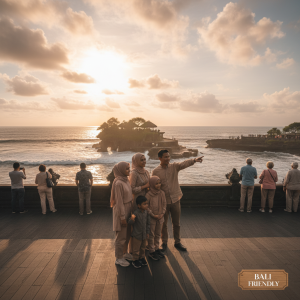
Experiencing a Muslim-Friendly Bali Holiday During Ramadan: A Guide
- Access to numerous halal-certified restaurants and iftar specials.
- Availability of private villas with prayer facilities and pools.
- A peaceful environment conducive to worship and family time.
The first call to prayer, the Adhan, drifts through the humid air, a sound as integral to the Indonesian archipelago as the scent of clove and frangipani. From the terrace of a private villa perched above the Ayung River valley, the world softens. The frantic energy of mopeds subsides, replaced by a profound tranquility. This is not the Bali of boisterous beach clubs, but a more contemplative island, one that reveals its deeper character during the holy month of Ramadan. It is a time when the island’s inherent spirit of tolerance, or toleransi, makes it an unexpectedly perfect sanctuary for a Muslim traveler seeking both spiritual nourishment and a sophisticated escape.
Demystifying Ramadan in Bali: More Welcoming Than You Think
A primary concern for many travelers considering Bali during Ramadan is whether the island, with its deeply rooted Hindu identity, accommodates the needs of fasting Muslims. The apprehension is understandable but largely unfounded. While Bali is indeed the only Hindu-majority province in Indonesia, the nation itself is home to the world’s largest Muslim population. According to the latest census data, over 87% of Indonesia’s 270 million people identify as Muslim. This national context permeates Balinese society, where a significant Muslim minority of over 500,000 residents, primarily from Java, Lombok, and Sulawesi, lives and works in harmony with the local population. This peaceful coexistence is guided by the Balinese philosophy of Tri Hita Karana, which emphasizes harmony among people, with nature, and with God.
Consequently, the rhythm of Ramadan is felt here, albeit with a unique Balinese inflection. You will not find businesses shuttered or life grinding to a halt. Instead, you discover a beautiful duality. Tourist areas in Seminyak, Canggu, and Nusa Dua operate as usual, yet there is an undercurrent of respect and accommodation. Many restaurants, especially those in luxury resorts and areas with large Muslim communities like Denpasar, actively cater to those fasting. They offer special iftar menus and create welcoming spaces for breaking the fast. This is not a performative gesture; it is an extension of the island’s ingrained hospitality. The experience is less about navigating limitations and more about discovering a quieter, more intimate side of the island, where spiritual observance is respected and seamlessly integrated into the daily fabric of life.
Curating Your Iftar and Suhoor Experiences
The culinary landscape of Bali transforms during Ramadan, offering a sophisticated palette for the discerning traveler. The moments of suhoor (the pre-dawn meal) and iftar (the breaking of the fast) become central, cherished rituals. Forgoing the standard hotel buffet is key to a truly elevated experience. We recommend securing a private villa where a personal chef can tailor meals to your exact preferences. Imagine a quiet suhoor of nourishing Javanese chicken soup (soto ayam) and fresh tropical fruits, served on your private lanai just before dawn. This level of personalization is a cornerstone of luxury halal Bali tourism. Our concierge service frequently arranges for chefs specializing in halal Nusantara cuisine, ensuring both authenticity and adherence to dietary principles.
For iftar, the options are even more expansive. Many of Bali’s top-tier restaurants present elaborate Ramadan feasts. In Seminyak, venues along Jalan Petitenget offer multi-course tasting menus that begin with sweet takjil like kolak pisang (banana compote in coconut milk) before progressing to regional specialties. A high-end iftar experience at a five-star resort in Nusa Dua can range from IDR 600,000 to IDR 950,000 per person, offering a lavish spread of international and Indonesian dishes. According to our on-the-ground culinary consultant, Arief Gunawan, “The demand for gourmet halal experiences during Ramadan has grown by at least 25% in the last three years. We’re seeing international chefs collaborate with local masters to create truly unique iftar menus.” For a more intimate affair, a private iftar barbecue at your villa, featuring grilled Jimbaran-style seafood, remains an unparalleled experience.
Spiritual Pursuits and Places of Worship
While Bali is famed for its thousands of Hindu temples, or pura, the island is also home to more than 100 mosques, many of which are architectural gems that welcome visitors. Engaging with these spiritual centers can add a profound dimension to your Ramadan journey. In the manicured resort enclave of Nusa Dua, the Grand Mosque Ibnu Batutah stands as a testament to religious harmony. Its design incorporates elements from various cultures, reflecting the diverse Muslim communities that have settled in Bali. Attending Tarawih prayers here, alongside worshipers from around the globe, is a moving experience. Further north, in the capital city of Denpasar, the Al-Hasanah Mosque on Jalan Diponegoro is a central hub for the local Muslim community, offering a vibrant and authentic atmosphere, especially during the last ten nights of the month.
The inherent quietude of Ramadan allows for deeper reflection, and Bali’s natural settings provide the perfect backdrop. Consider dedicating an afternoon to quiet contemplation at a less-trafficked beach like Balangan or scheduling a private meditation session in the tranquil highlands of Ubud. The slower pace of the day, dictated by the fast, encourages a more mindful approach to travel. It becomes less about ticking off sights and more about absorbing the island’s serene energy. For more information on cultural etiquette when visiting places of worship in Indonesia, the official Indonesia Travel tourism portal provides excellent, up-to-date guidance. These moments of peace, away from the usual tourist trails, are often the most memorable parts of a Ramadan holiday.
Accommodations: The Rise of the Muslim-Friendly Luxury Villa
The defining element of a superlative Muslim-friendly holiday in Bali is the choice of accommodation. While many hotels offer halal food options, the privacy, space, and tailored service of a luxury villa are unmatched, particularly during Ramadan. The modern luxury villa in Bali has evolved to cater specifically to the needs of the Muslim traveler. Leading properties in Uluwatu, with their dramatic cliff-top views, and in the serene jungle settings of Sayan, now routinely provide prayer-centric amenities. These include marked Qibla direction indicators in each master suite, high-quality prayer mats, and copies of the Qur’an upon request. The most critical feature is the private, fully screened swimming pool, which offers absolute privacy for female guests and families to relax and swim at any time of day or night.
Furthermore, having a full kitchen and staff allows for complete control over your dining schedule. There is no need to adhere to restrictive hotel breakfast times for suhoor. Your private chef can prepare a meal for 3:30 AM just as easily as they can an elaborate iftar feast at sunset. This flexibility is invaluable when fasting. “We’ve seen a 40% increase in requests for villas with certified halal kitchens and female-only service staff during the Ramadan period,” reports a manager at a premier villa management company in Seminyak. This meticulous attention to detail is the hallmark of a true halal bali tourism experience, transforming a simple vacation into a seamless and spiritually fulfilling retreat. Our Halal Bali Tourism Concierge specializes in vetting these properties to ensure they meet the highest standards of both luxury and religious observance.
Activities and Itineraries: A Slower, More Meaningful Pace
A Ramadan itinerary in Bali should prioritize balance and mindfulness over strenuous exertion. The fasting period, from sunrise to sunset, is an ideal time for low-impact, culturally enriching activities. We advise clients to schedule explorations for the cooler morning hours. A private, guided visit to the Tegallalang Rice Terraces, part of the UNESCO World Heritage-listed Subak irrigation system, can be completed well before the midday heat intensifies. This ancient landscape offers a powerful lesson in community and sustainability. Similarly, a visit to a traditional silversmith in the village of Celuk or a batik workshop provides an immersive cultural experience without being physically demanding. Major attractions, including temples like Tanah Lot and Uluwatu, maintain their regular operating hours, typically from 8 AM to 7 PM, allowing for beautiful sunset visits just before iftar.
The afternoon is best reserved for rest and rejuvenation within the sanctuary of your villa. This is the perfect time for a traditional Balinese massage or spa treatment, which can be arranged in-villa for maximum comfort and privacy. Reading by your private pool or simply enjoying the tranquility of your surroundings aligns perfectly with the reflective spirit of the month. High-intensity activities like volcano trekking or long cycling tours are not recommended while fasting. The goal is to return home feeling spiritually renewed, not physically depleted. By embracing a slower rhythm, you allow Bali to reveal its more restorative qualities. Our team of travel curators excels at designing bespoke schedules that harmonize your desire for discovery with the peaceful observance of Ramadan.
Quick FAQ: Navigating Bali During the Holy Month
Is it difficult to find halal food in Bali during Ramadan?
On the contrary, it is often easier. Beyond the hundreds of permanently halal-certified restaurants, many more establishments offer special halal iftar menus during the month. In areas like Kuta, Denpasar, and even tourist-centric Seminyak, finding delicious, certified halal food is straightforward. Our concierge service maintains a curated list of over 200 vetted dining options.
Are businesses and attractions open as usual?
Yes, almost all tourist-facing businesses, including spas, boutiques, beach clubs, and cultural sites, operate on their normal schedules. The Balinese economy is heavily reliant on tourism, and there is no island-wide shutdown. You may find some small, Muslim-owned street food stalls, or warungs, close during the day, but this will have minimal impact on your overall experience.
Is it disrespectful to eat or drink in public?
While there are no rules against it, and the majority Balinese Hindu population is not fasting, practicing discretion is a sign of respect, or saling menghormati. In major tourist areas, no one will be offended. However, if you are in a less-touristed area or a neighborhood with a larger Muslim population, it is courteous to eat and drink inside a restaurant or in a more private setting rather than on the street.
What is the atmosphere like for Eid al-Fitr (Lebaran) in Bali?
Eid in Bali is a warm and celebratory, yet peaceful, affair. It is a national holiday in Indonesia, so expect to see Muslim families dressed in their finest, heading to morning prayers at local mosques. There is a festive atmosphere, particularly around Denpasar, but it doesn’t create the massive city-wide exodus seen in Jakarta. It’s a beautiful time to witness the community’s joyful celebrations.
A journey to Bali during Ramadan is an opportunity to connect with the island on a more profound level. It is a time when the pace slows, the spirit of community is palpable, and luxury is defined by peace, privacy, and impeccable, personalized service. This unique confluence of spiritual reflection and sophisticated comfort offers a travel experience that truly restores the soul. For a journey that marries this contemplative pace with unparalleled luxury, explore our bespoke halal bali tourism packages and let our concierge craft your perfect Ramadan retreat.